

Virtual Reality Tours vs Traditional Travel: A Comprehensive Guide

Defining the Journey: What VR Tours and Traditional Travel Each Offer

The Technology Behind Virtual Presence

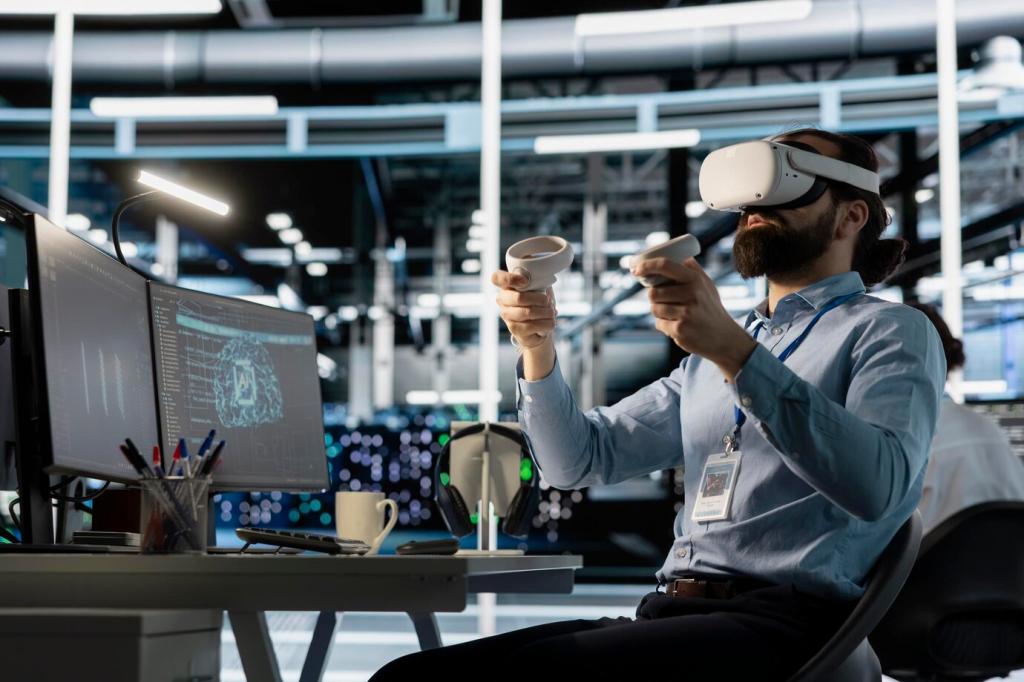
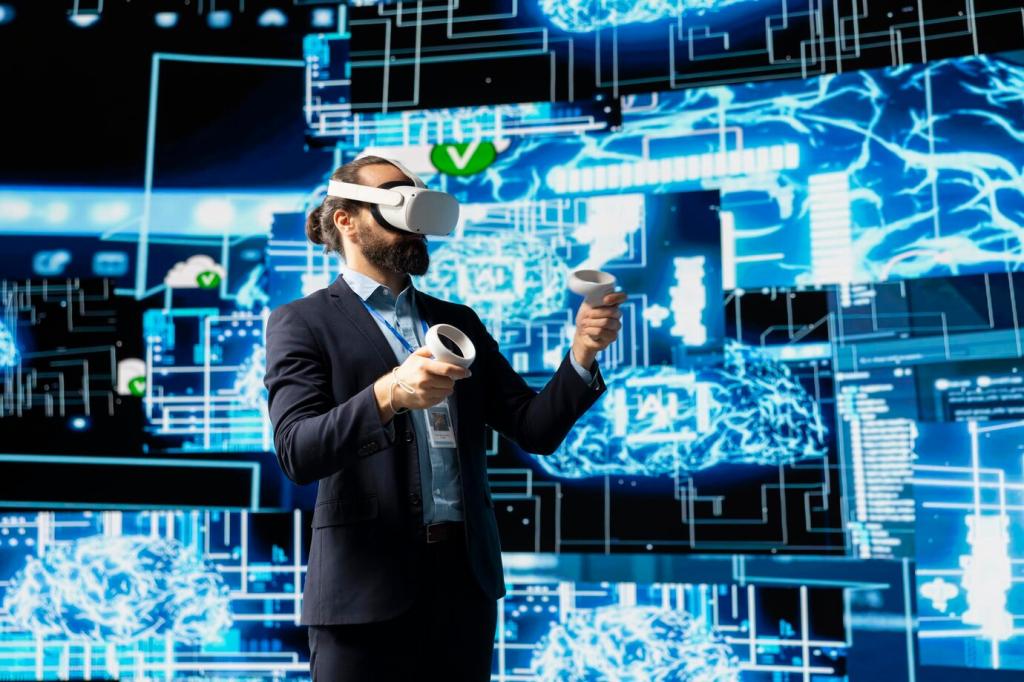
VR tours use high-resolution 360 video, photogrammetry, and spatial audio to simulate place, often enhanced by interactive hotspots and narration. The result is an immersive layer that can be paused, replayed, or explored safely from home. Share your first VR moment with us and tell others what surprised you most.

The Anatomy of a Physical Trip

Traditional travel unfolds through sensory layers: the weight of a backpack, the scent of a street market, the fumble for currency, and spontaneous conversations. Logistics, mishaps, and luck shape memories in ways no script can. Comment with a favorite trip detail that only happened because you were there.

The Sensory and Social Gap

VR can convincingly deliver sight and sound, and sometimes hand tracking, but it is still catching up on smell, temperature, texture, and unplanned human interaction. Those gaps matter for some travelers, less so for others. Subscribe if you want updates on new haptic and olfactory tech closing the gap.

The Budget Breakdown

A premium VR headset plus well-produced tours often costs less than a single long-haul trip, enabling frequent micro-journeys. Traditional travel, however, disperses money into flights, lodging, food, entry fees, and insurance, funding local economies. Share your budgeting approach and help others plan smarter.

The Time Economics

A VR tour can fit into a lunch break, skipping jet lag and transfers. In-person travel demands pre-planning, transit time, and recovery, but rewards with depth and serendipity. Tell us how you value time: quick, purposeful glimpses or long, unhurried immersion. Your perspective helps the community balance both.

Environmental and Ethical Considerations

Long-haul flights significantly contribute to personal emissions, while VR tours consume comparatively modest electricity. Using VR for optional sightseeing can reduce impact, especially for delicate ecosystems. If you care about conservation, subscribe for practical hybrid strategies that align wanderlust with climate responsibility.

Environmental and Ethical Considerations

VR provides access to fragile heritage sites without physical wear, relieving crowds and giving curators breathing room. Rotas can alternate VR access with capped visitor windows to preserve authenticity. Share whether you would accept VR-only access to help protect places you love for future generations.
Motion Sickness vs Jet Lag
Some users feel VR dizziness from mismatched motion cues, while travelers wrestle with time zone shifts, dehydration, and fatigue. Techniques like teleport locomotion or gradual exposure reduce VR discomfort, just as hydration and circadian planning ease flights. Share what works for you so others can benefit.
Risk Profiles and Personal Security
VR keeps you safe from street scams and weather extremes, but headsets require careful spatial awareness. Physical trips invite richer encounters yet involve real-world risk management. Comment with your safety checklist, from headset guardian settings to travel insurance and neighborhood research.
Access Without Borders
VR tours can empower people with limited mobility, chronic illness, or documentation constraints to explore museums, national parks, and cities. Meanwhile, inclusive design in physical travel—step-free routes, captions, sign language—remains essential. Subscribe if accessibility stories inspire you; we highlight innovators monthly.

Depth of Emotion and Cultural Authenticity

A backpacker once told us a missed bus led to tea with a poet and a lifelong pen-pal friendship. VR rarely engineers chance like that, though live events and multiplayer spaces inch closer. Share your serendipity story or suggest VR features that could invite more delightful unpredictability.

Depth of Emotion and Cultural Authenticity

VR can subtitle, translate, and guide you through markets, but cannot yet simmer a stew or perfume a street with spice. Physical travel activates taste and smell, deepening memory. Would you join a synchronized VR-and-cooking session at home to bridge that gap? Tell us below.
Smart Use Cases: When VR Excels and When Travel Wins

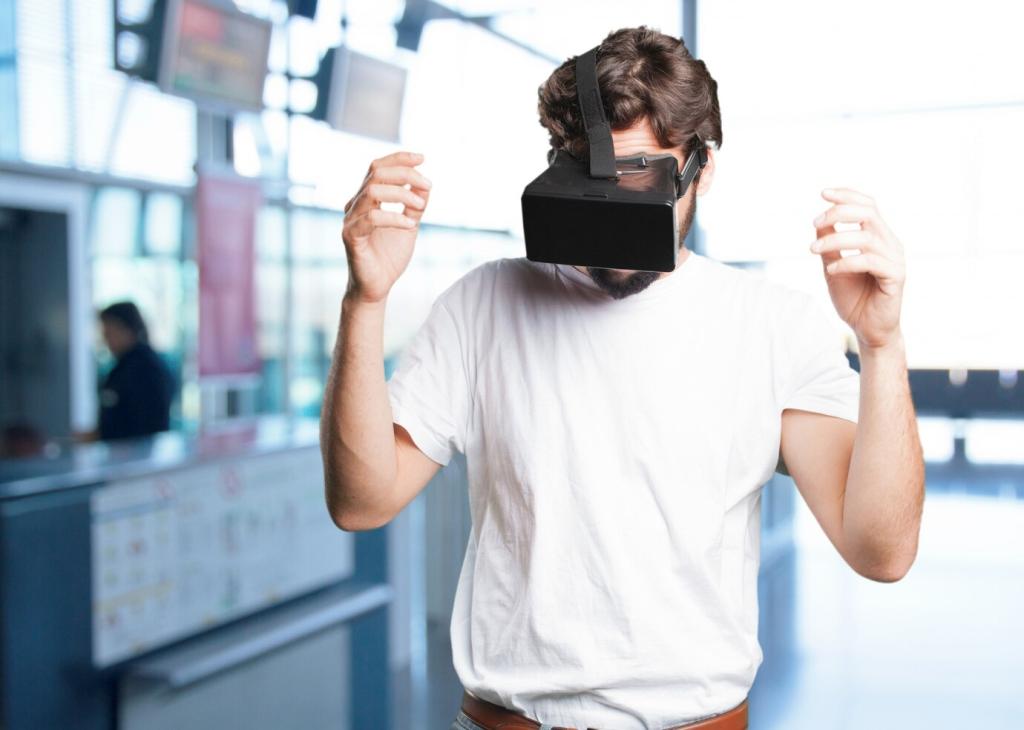
Classrooms can tour coral reefs or ancient libraries through VR without permission slips or bus rentals, engaging students who learn best through immersion. Teachers, share your lesson ideas or ask for curated VR field trip playlists. Subscribe for monthly educator toolkits and case studies.
Theissasworld
Privacy Overview

This website uses cookies so that we can provide you with the best user experience possible. Cookie information is stored in your browser and performs functions such as recognising you when you return to our website and helping our team to understand which sections of the website you find most interesting and useful.